Celebrate nine days of devotion and festive fashion with beautiful Banarasi sarees, silk suits and traditional dupattas
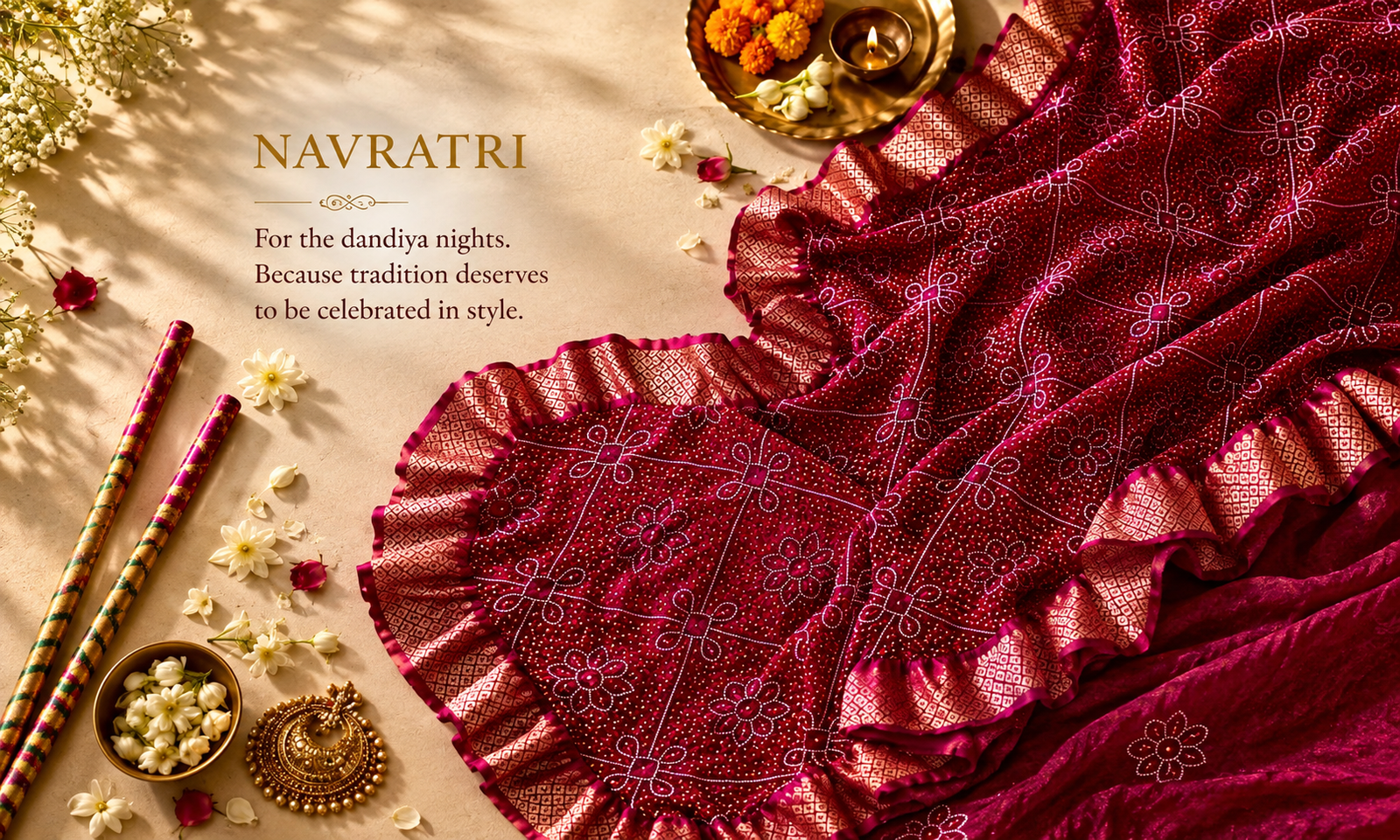
Navratri is a celebration of devotion, culture, colour and the divine feminine. Across India, homes and temples come alive with prayers, while communities gather for Garba, Dandiya, Durga Puja and other regional festivities.
One of the most loved parts of Navratri is dressing up in a different colour each day.
From vibrant orange and traditional red to elegant white, royal blue and peacock green, every shade creates a new opportunity to celebrate Indian fashion.
And what better way to bring these colours to life than with the timeless beauty of a Banarasi saree?
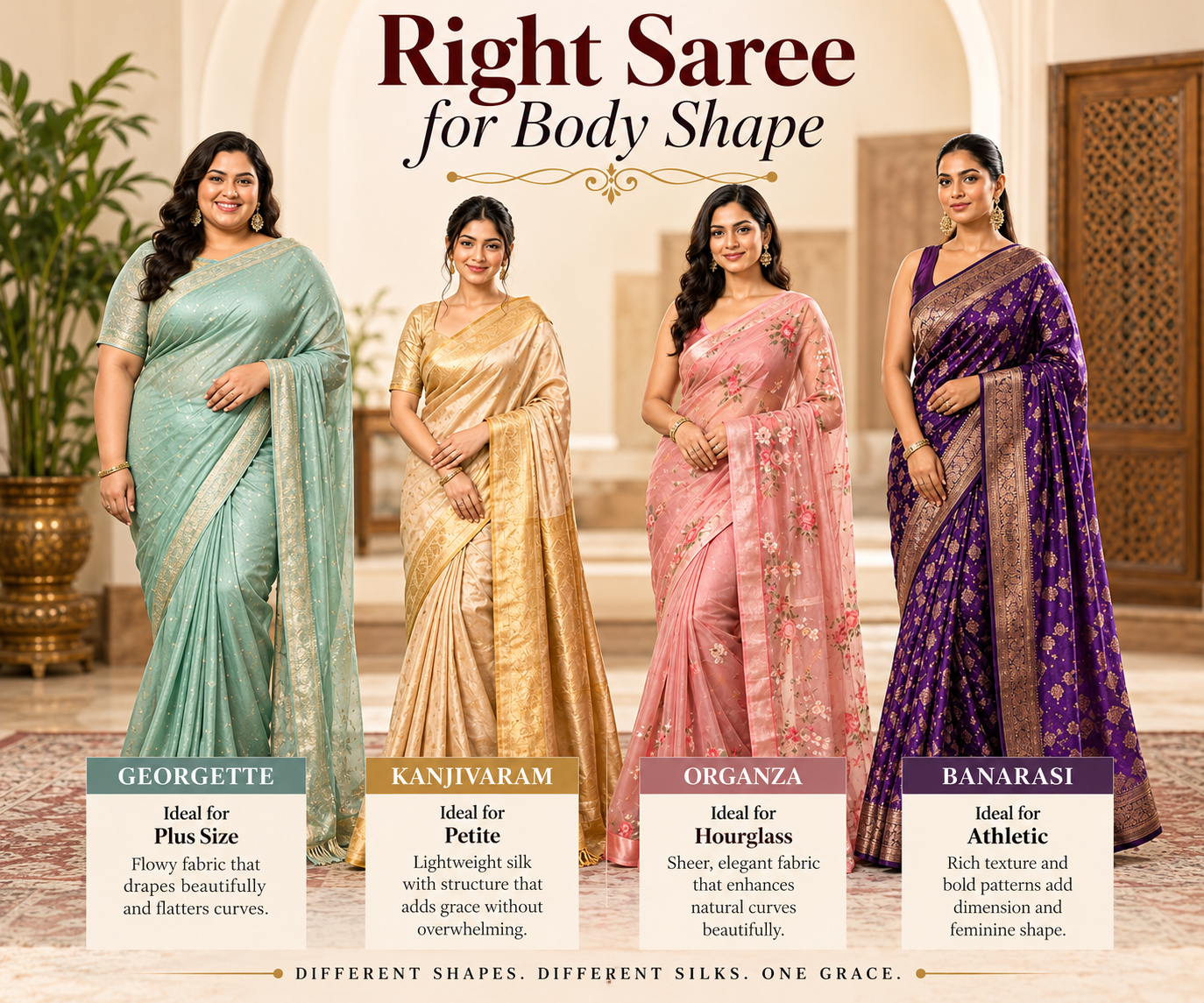
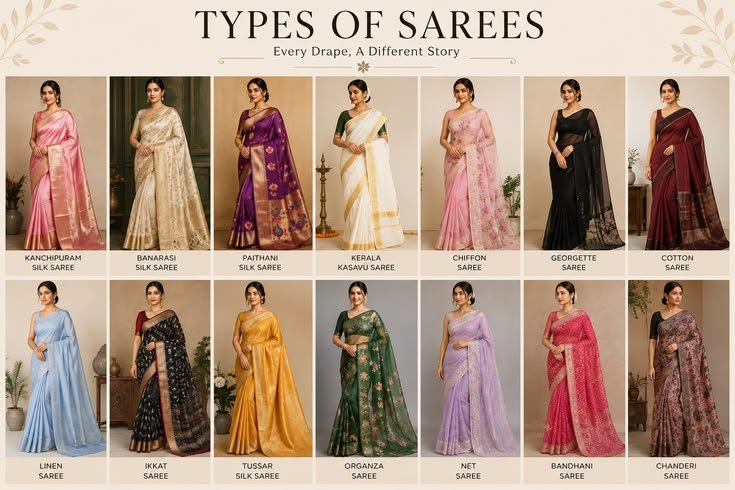
Whether you prefer the rich texture of Katan Silk, the fluid drape of Khaddi Georgette, the traditional appeal of a silk Banarasi or the versatility of a beautifully woven dupatta, you can create a different festive look for every day of Navratri.
In this guide, discover the Navratri 2026 colours for all nine days, with Banarasi saree, suit and dupatta styling ideas to help you build a festive wardrobe that feels traditional, elegant and uniquely yours.
Navratri 2026: Dates and Nine-Day Colour List
Sharad Navratri begins on Sunday, October 11, 2026, and Vijayadashami falls on Tuesday, October 20, 2026. The nine-day colour guide below follows a widely published 2026 fashion calendar.
| Day | Date | Colour | Banarasi Outfit Idea |
|---|---|---|---|
| Day 1 | October 11 | Orange | Orange Banarasi saree with gold zari |
| Day 2 | October 12 | White | Ivory Banarasi saree with a gold border |
| Day 3 | October 13 | Red | Red Katan Silk Banarasi saree |
| Day 4 | October 14 | Royal Blue | Royal blue silk Banarasi saree |
| Day 5 | October 15 | Yellow | Yellow Khaddi Georgette Banarasi saree |
| Day 6 | October 16 | Green | Emerald or bottle-green Banarasi saree |
| Day 7 | October 17 | Grey | Grey Banarasi saree with metallic detailing |
| Day 8 | October 18 | Purple | Purple Banarasi saree with zari work |
| Day 9 | October 19 | Peacock Green | Peacock-green Banarasi saree with a gold border |
A note on the colour tradition: Different regional calendars and publications can prescribe different colours. Some religious observances also depend on local panchang calculations. Use this as a popular fashion guide and follow your family’s or community’s preferred tradition where applicable.
Day 1: Orange — Start Navratri with a Vibrant Banarasi Look
Colour of the day: Orange
Orange is a bright, celebratory choice for the first day of Navratri. It brings warmth and energy to festive dressing and pairs beautifully with traditional gold-toned details.
For Day 1, choose an orange Banarasi saree with zari motifs and a defined border.
You can go for a rich saffron shade, burnt orange, marigold or a softer peach-orange, depending on your personal style.
What to Wear
Option 1: Orange Banarasi Saree
Choose a saree with gold zari butis and a traditional pallu. A simple blouse lets the weave remain the highlight.
Option 2: Orange Banarasi Suit
Pair an orange kurta with straight pants and a contrasting Banarasi dupatta.
Option 3: Orange Dupatta Look
Wear an ivory or cream suit with an orange Banarasi dupatta for a subtle festive appearance.
How to Style It
Pair your outfit with gold jhumkas, bangles and comfortable traditional footwear. A neatly draped saree and understated makeup will keep the look elegant.
The Banarasi Style tip: If the saree is richly woven, keep your jewellery simple and allow the zari to stand out.
Day 2: White — Elegant and Understated Banarasi Styling
Colour of the day: White
White is a beautiful choice for women who prefer understated festive fashion.
An ivory or off-white Banarasi saree with gold zari creates a sophisticated look without relying on bright colours or excessive embellishment.
White can also be a practical foundation for contrast styling.
What to Wear
Option 1: Ivory Banarasi Saree
Choose an ivory saree with gold zari, delicate floral motifs or a traditional border.
Option 2: White Suit with Banarasi Dupatta
A white kurta and matching trousers paired with a colourful Banarasi dupatta can create a graceful festive outfit.
Option 3: Cream Katan Silk Saree
For a more formal look, consider cream Katan Silk with a gold-toned border.
How to Style It
Add gold earrings, a delicate necklace and a neat bun or soft waves. A colourful blouse in pink, green or red can create contrast.
The Banarasi Style tip: Ivory and gold are particularly versatile because the same saree can also be worn for weddings, family functions and other festive occasions.
Day 3: Red — A Classic Banarasi Festive Look
Colour of the day: Red
Red has a strong presence in traditional Indian festive and ceremonial dressing. If you love rich, classic ethnic fashion, Day 3 is the perfect opportunity to bring out a red Banarasi saree.
From bright vermilion and crimson to deep maroon, there is a shade for every preference.
What to Wear
Option 1: Red Katan Silk Banarasi Saree
Choose a rich red saree with gold zari for a traditional appearance.
Option 2: Red Banarasi Saree with a Contrasting Blouse
A green, gold or deep maroon blouse can add visual interest.
Option 3: Red 3-Piece Suit
Wear a red suit with a decorative Banarasi dupatta if you prefer a more comfortable silhouette.
How to Style It
Traditional jhumkas, gold bangles and a bindi complement a red saree beautifully. If the pallu has detailed zari work, avoid excessive jewellery around the neckline.
The Banarasi Style tip: Red Katan Silk is a strong choice when you want a saree that can transition from Navratri celebrations to weddings and other formal occasions.
Day 4: Royal Blue — Make a Statement in Banarasi Silk
Colour of the day: Royal Blue
Royal blue offers a striking alternative to traditional red and orange. It is rich, elegant and particularly beautiful with metallic detailing.
For Day 4, choose a royal blue Banarasi saree that combines a deep colour with gold zari.
What to Wear
Option 1: Royal Blue Katan Silk Saree
A rich silk base with a contrasting gold border works well for evening celebrations.
Option 2: Royal Blue Khaddi Georgette Saree
Choose this option when you prefer a softer, more fluid drape.
Option 3: Blue Suit with a Gold Banarasi Dupatta
This is a practical choice for family visits, puja and longer festive gatherings.
How to Style It
Gold or antique-finish jewellery complements royal blue. For a modern look, keep your blouse simple and use statement earrings.
The Banarasi Style tip: Royal blue and gold create a timeless combination. Choose a shade you can reuse beyond Navratri rather than buying a colour you will wear only once.
Day 5: Yellow — Brighten Your Navratri Wardrobe
Colour of the day: Yellow
Yellow brings a fresh and cheerful feel to festive styling.
Whether you choose mustard, marigold, turmeric yellow or a pastel shade, a yellow Banarasi saree can create a beautiful daytime look.
What to Wear
Option 1: Yellow Khaddi Georgette Banarasi Saree
A lighter, fluid saree can be comfortable for long celebrations.
Option 2: Mustard Banarasi Silk Saree
Choose gold zari and a simple blouse for a traditional appearance.
Option 3: Yellow Kurta with a Contrasting Dupatta
Combine yellow with green, pink or magenta for a bright ethnic outfit.
How to Style It
Gold jhumkas, delicate bangles and soft makeup work beautifully with yellow. For an understated look, choose a blouse in a similar shade.
The Banarasi Style tip: If you want to invest in one yellow saree for multiple occasions, mustard or warm yellow can be versatile choices for festivals, Haldi functions and daytime weddings.
Day 6: Green — Traditional Elegance with a Fresh Twist
Colour of the day: Green
Green offers plenty of styling possibilities, from soft pista to deep emerald.
For Day 6, choose a Banarasi saree that matches the atmosphere of your celebration.
What to Wear
Option 1: Emerald Green Banarasi Saree
A deep green saree with gold zari creates a rich, formal appearance.
Option 2: Bottle-Green Katan Silk
This is a beautiful option if you prefer a traditional, structured silk look.
Option 3: Green Banarasi Dupatta with a Cream Suit
For a lighter outfit, a green dupatta can supply the colour without requiring a full saree.
How to Style It
Gold, antique-finish or pearl jewellery can complement green. A contrasting blouse in magenta or gold adds personality.
The Banarasi Style tip: A green Banarasi saree can be restyled for Diwali, wedding receptions and family celebrations, making it a useful long-term wardrobe addition.
Day 7: Grey — Discover the Beauty of Subtle Festive Colours
Colour of the day: Grey
Grey may not be the first colour that comes to mind for festive dressing, but it can look remarkably sophisticated.
From silver-grey and pearl grey to charcoal, this shade works beautifully with metallic details.
What to Wear
Option 1: Silver-Grey Banarasi Saree
Choose a grey base with silver or gold zari for a refined appearance.
Option 2: Grey Suit with a Statement Dupatta
A neutral suit paired with a pink, purple or peacock-green Banarasi dupatta creates contrast.
Option 3: Charcoal Banarasi with Gold Details
This is ideal if you prefer deeper, more dramatic colours.
How to Style It
Silver jewellery creates a cool, modern look, while gold accessories add warmth. Keep the overall outfit balanced rather than introducing too many colours.
The Banarasi Style tip: If you cannot find a completely grey Banarasi saree, include the day’s colour through a grey blouse, dupatta, border or accessory. You do not need to buy a new saree for every colour.
Day 8: Purple — Rich and Regal Banarasi Styling
Colour of the day: Purple
Purple can look both traditional and contemporary, depending on its shade.
Try lavender for a softer daytime appearance or deep purple for an evening celebration.
What to Wear
Option 1: Purple Banarasi Silk Saree
A purple silk base with gold zari creates a rich festive look.
Option 2: Lavender Khaddi Georgette Saree
A lighter fabric can make purple feel soft and modern.
Option 3: Purple Suit with a Contrasting Dupatta
Pair a purple kurta with a pink or gold-toned Banarasi dupatta.
How to Style It
Gold earrings and a simple blouse allow the saree to remain the focus. For a more contemporary look, select minimal jewellery and a clean hairstyle.
The Banarasi Style tip: Purple looks especially striking in photographs when paired with warm gold accessories and carefully chosen lighting.
Day 9: Peacock Green — Finish Navratri in a Statement Banarasi
Colour of the day: Peacock Green
For the ninth colour, peacock green brings together the richness of green with blue undertones.
It is a beautiful choice for anyone who prefers jewel tones and traditional silk.
What to Wear
Option 1: Peacock-Green Banarasi Saree
Choose a saree with a gold zari border, floral motifs or an elaborate pallu.
Option 2: Peacock-Green Katan Silk
A rich silk construction can create a formal, traditional silhouette.
Option 3: Peacock-Green Dupatta with an Ivory Suit
A statement dupatta offers a more comfortable alternative while keeping the outfit festive.
How to Style It
Gold jewellery complements peacock green beautifully. You can choose a matching blouse for a continuous colour effect or a contrasting blouse in magenta, gold or deep blue.
The Banarasi Style tip: Peacock green is a strong investment colour because it works for festive occasions, weddings and formal family gatherings beyond Navratri.
What to Wear on Vijayadashami?
Vijayadashami falls on October 20, 2026, following the nine-day Navratri colour sequence.
It is an additional opportunity to wear your favourite festive outfit.
Consider:
- Red Banarasi saree with gold zari
- Ivory saree with a statement blouse
- Emerald Katan Silk
- Magenta Banarasi with a traditional pallu
- A festive suit with a richly woven dupatta
There is no need to buy another outfit if you already have one you love. A different blouse, jewellery combination or drape can make an existing saree feel new.
How to Choose the Right Banarasi Fabric for Navratri
The colour is only one part of the outfit. The fabric determines how it drapes, feels and moves.
Katan Silk
Best when you want a rich, traditional appearance with a more structured silk character.
Consider it for formal evening celebrations, special family functions and statement festive outfits.
Khaddi Georgette
A practical option when you prefer a lighter, more fluid drape.
It can work beautifully for daytime events, extended wear and contemporary styling.
Banarasi Brocade
Ideal when you want intricate woven motifs, a decorative border and a more traditional visual effect.
Banarasi Dupatta
Perfect for women who want to include the colour of the day without buying a new saree.
Pair it with a simple kurta, matching trousers or a plain Anarkali.
Remember: The actual weight and drape depend on the fabric composition, weaving construction and density of zari. Check the individual product details before purchasing.
How to Build Nine Navratri Looks Without Buying Nine New Sarees
You do not need a completely new outfit every day to follow the colour guide.
A few versatile Banarasi pieces can create multiple looks.
Reuse Your Neutral Sarees
An ivory Banarasi saree can be styled with orange, red, blue, purple or green blouses.
Use Dupattas for Colour
A plain kurta paired with a Banarasi dupatta can bring in the designated shade.
Change Your Blouse
One saree can look entirely different with a contrast blouse.
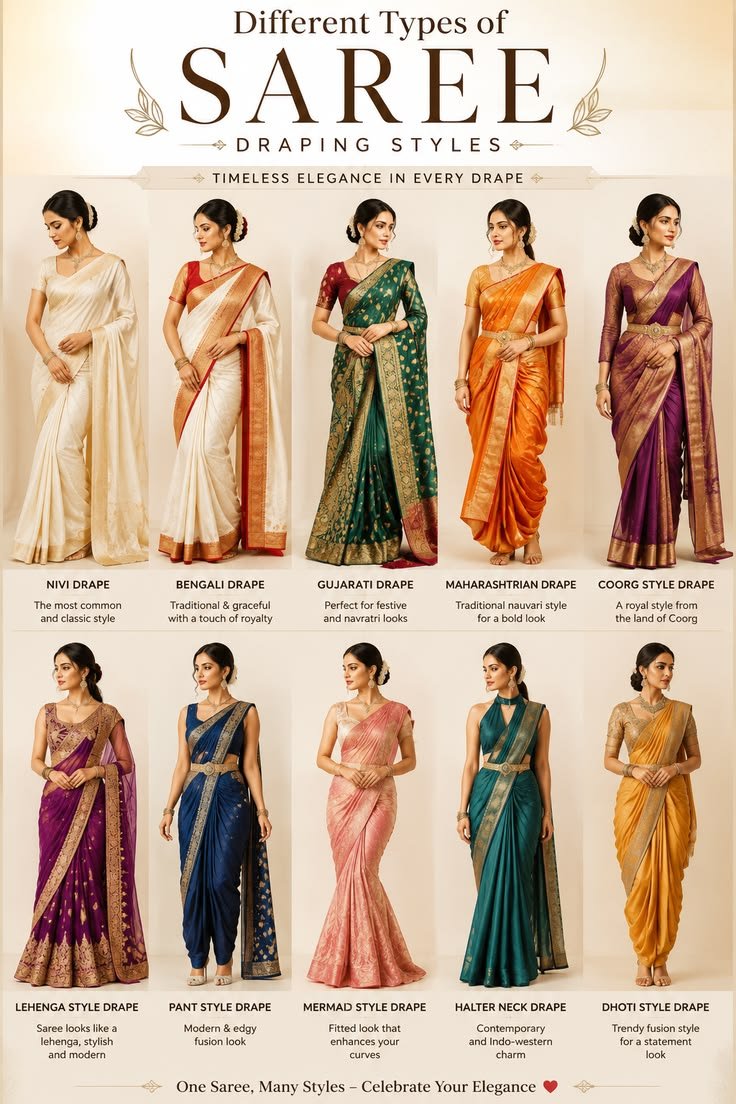
Restyle the Draping
Try a classic Nivi drape for one event and an open-pallu or Gujarati-style drape for another.
Rotate Your Accessories
Gold earrings, pearls, bangles and statement necklaces can change the entire mood of an outfit.
The best festive wardrobe is one you can wear again.
Jewellery and Accessories for Navratri Banarasi Looks
The right accessories should complement the saree rather than compete with it.
Traditional Gold Jewellery
Works particularly well with orange, red, yellow, green and peacock-green sarees.
Pearl Jewellery
Pairs beautifully with white, ivory, pastel and some grey outfits.
Silver or Antique-Finish Jewellery
Can complement grey, royal blue and purple.
Bangles
Traditional bangles are a versatile option across all nine colour combinations.
Hair Accessories
Flowers or a gajra can elevate a traditional look, while a clean bun or soft waves create a modern finish.
When attending Garba or Dandiya events, choose secure jewellery and a drape that allows you to move comfortably.
Banarasi Saree or Suit: Which Is Better for Navratri?
Both can be beautiful choices.
Choose a Banarasi Saree If:
You want a traditional festive appearance, enjoy saree styling and want the zari border or pallu to become the highlight.
Choose a Banarasi Suit If:
You prefer easier movement, have several events to attend or want something simple to manage throughout the day.
Choose a Banarasi Dupatta If:
You already have a suitable kurta or Anarkali and want to incorporate the day’s colour with minimal expense.
The best outfit is the one that works for your event, not simply the one that matches a colour chart.
Common Navratri Styling Mistakes to Avoid
Choosing Colour Over Comfort
A beautiful saree should still be comfortable enough for the activities you have planned.
Wearing Too Many Competing Designs
If your saree has heavy zari and elaborate motifs, simplify the blouse and accessories.
Buying a New Outfit for Every Day
Reuse sarees, change blouses and experiment with dupattas.
Forgetting the Occasion
A puja at home, an evening Garba event and a long public celebration all have different practical requirements.
Assuming the Colour List Is Universal
Colour traditions vary. Follow the custom that is meaningful to your family or community.
Frequently Asked Questions
What are the nine colours of Navratri 2026?
A widely published colour list gives orange, white, red, royal blue, yellow, green, grey, purple and peacock green for the nine days, beginning October 11, 2026. Regional lists may differ.
When does Navratri 2026 start?
Sharad Navratri begins on Sunday, October 11, 2026. Vijayadashami falls on October 20, 2026.
Which Banarasi saree is best for Navratri?
The best choice depends on your preferred colour, the day’s activities and your comfort. Katan Silk works well for rich, traditional looks, while Khaddi Georgette can be a practical option for a lighter, more fluid drape.
Can I wear a Banarasi suit instead of a saree?
Yes. A Banarasi suit or a plain kurta paired with a Banarasi dupatta is a comfortable way to create a festive look.
Do I have to buy a different saree for all nine colours?
No. You can follow the colour theme using a blouse, dupatta, jewellery or another outfit accent. Reusing garments is a practical and sustainable approach.
What should I wear for Garba and Dandiya?
Choose an outfit that permits comfortable movement. A well-secured saree, festive suit or a traditional dancing outfit can work, depending on your preferences and local customs.
Is there one mandatory colour for each Navratri day?
No universally followed colour chart applies to every region and family. The popular nine-colour practice is a festive custom, and published lists can vary. Follow your community’s tradition if it differs from this guide.
Can I wear a heavy Banarasi saree for Navratri?
Yes, particularly for puja and formal celebrations. For dancing, outdoor events or long hours, consider the saree’s weight, secure pleating and comfort before choosing a heavily worked piece.
Final Thoughts: Nine Colours, One Timeless Tradition
Navratri offers nine opportunities to express your personal style while celebrating devotion, culture and Indian craftsmanship.
From the warmth of orange and the elegance of white to the richness of red, royal blue, yellow, green, grey, purple and peacock green, every colour brings a different mood to your wardrobe.
A Banarasi saree can make each shade feel special through its woven texture, zari details, motifs and graceful drape.
And you do not need a new outfit every day. Sometimes the simplest combination—a beautiful saree, a thoughtfully chosen blouse and traditional jewellery—is enough.
Celebrate Navratri in the colours you love, choose outfits that make you feel comfortable and carry the festive spirit into every celebration.
The Banarasi Style
Timeless Elegance Woven in Varanasi.